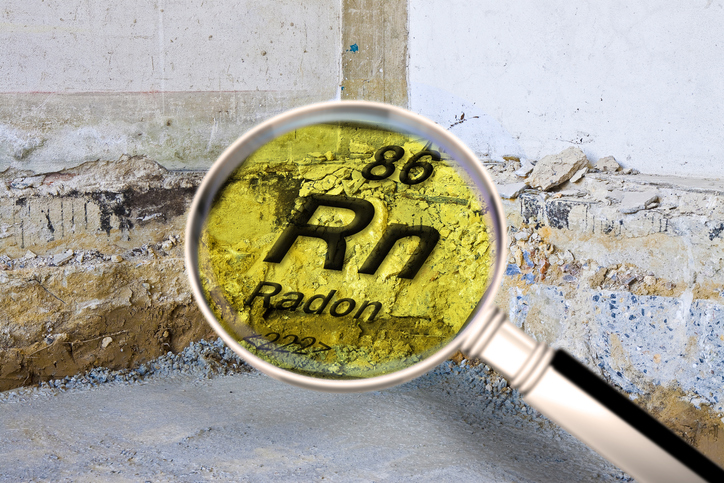
Pennsylvania has one of the most serious radon problems in the United States. Approximately 40% of homes have radon levels above the Environmental Protection Agency’s action guideline of 4 picocuries per liter.
Search for radon test data by zip code and learn more about radon exposure in Pennsylvania.
Radon is a radioactive gas found in many buildings, including schools, homes, and offices. The breakdown of uranium in soil, rocks, and water forms radon’s radioactive gas. Radon exposure is the second leading cause of lung cancer deaths in the United States, second only to smoking. The ideal time for radon testing in the home is during late fall and winter months.
The American Lung Association and the Pennsylvania Department of Environmental Protection are working together to provide radon test kits to Pennsylvania residents who have not yet tested their homes for dangerous radon gas.
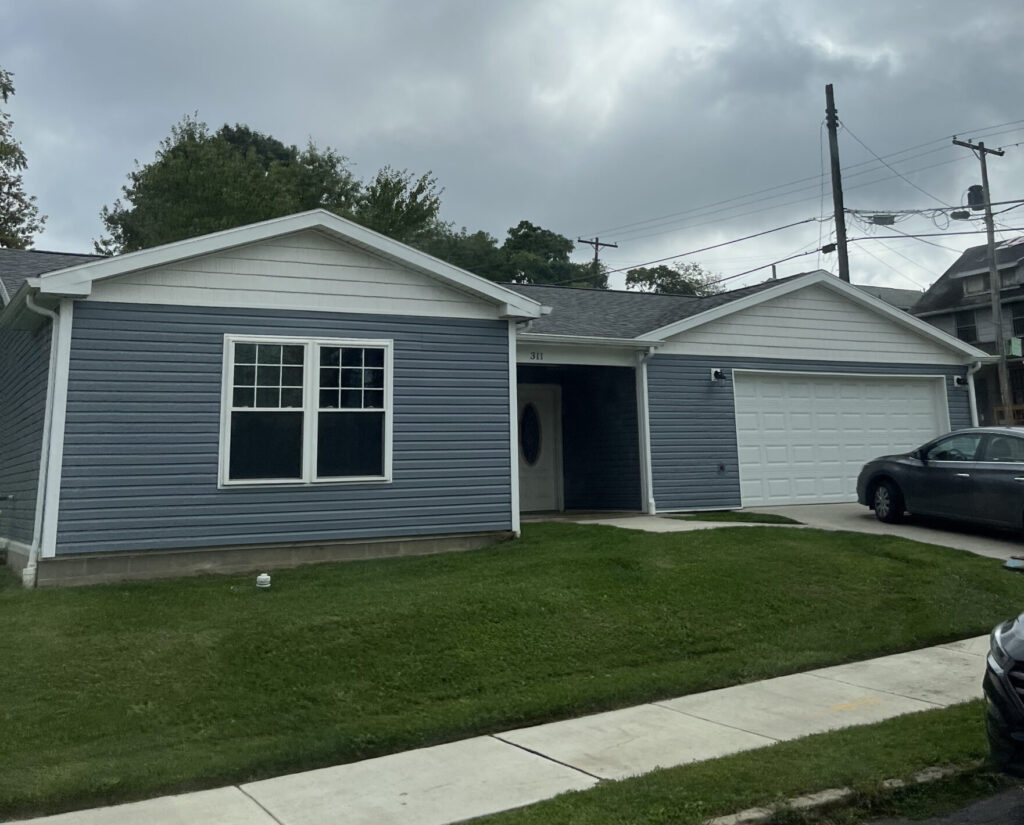
Request a free radon test kit.
WHE has created shareable guides related to lead, indoor air quality, consumer products, and other environmental health topics.
WHE sends a monthly newsletter with the latest news on the region’s environment and public health.

Join us on June 9th, at the Pittsburgh Golf Club. Our keynote speaker is Dr. Jenny Kay, research scientist at the Silent Spring Institute who identified 921 chemicals that may promote breast cancer development, ninety percent of them in products and environments people encounter every day.
Dr. Kay has spent her career asking a question that affects all of us: what’s in our environment — and what is it doing to our bodies?
We will also honor our 2026 Changemaker Impact Awardees, presenting the Healthy Homes Award, Healthy Schools Award, Healthy Early Learning Award, and Public Health Champion Award.
We cannot wait to celebrate these critical partners who are advancing community health across Pennsylvania.