Press Release: WHE Receives 2024 Governor’s Environmental Excellence Award
FOR IMMEDIATE RELEASE Contact: Dolores ParkerEmail: dolores@WomenForaHealthyEnvironment.orgPhone: 941-735-2547 WHE Receives 2024 Governor’s Environmental Excellence Award Pittsburgh, PA (April 17, 2024) – Women for a Healthy Environment (WHE) was honored this […]
Press Release: WHE to Unveil Report Revealing Detectable PFAS Contamination
FOR IMMEDIATE RELEASE Contact: Dolores Parker, manager of communicationsEmail: dolores@womenforahealthyenvironment.orgPhone: 941-735-2547 WOMEN FOR A HEALTHY ENVIRONMENT TO UNVEIL REPORT REVEALING DETECTABLE PFAS CONTAMINATION IN PITTSBURGH’S RIVERS LINKED TO WASTEWATER TREATMENT […]
WHE Press Release: EPA’s Proposed Amendments to Lead and Copper Rule
“These proposed amendments represent a substantial improvement over the existing LCR, and they have the potential to make a real difference in the lives of millions of Americans who are […]
Press Release: Congresswoman Summer Lee, Women for a Healthy Environment to Announce $190,940 Centers for Disease Control and Prevention Federal Grant to Combat Lead Poisoning in Pittsburgh
FOR IMMEDIATE RELEASE Contact: Dolores ParkerEmail: dolores@WomenForaHealthyEnvironment.orgPhone: 412-404-2872 Congresswoman Summer Lee, Women for a Healthy Environment to Announce $190,940 Centers for Disease Control and Prevention Federal Grant to Combat Lead […]
Highlighting Community Health Worker Response to COVID-19
Over the past year, Women for a Healthy Environment received funding through the Allegheny County Health Department to support the expansion of our Community Health Worker team. Through this opportunity, […]
Environmental Health Technical Assistance for Philadelphia Area Childcare Providers – Summer 2021
What did WHE learn from this project? Through our phone calls and personal interactions, we learned that childcare providers are devoted to creating the healthiest and safest spaces for the children and families they service, however they need training and guidance.
WHE celebrates the signing of the Infrastructure Bill and urges Congress to pass the Build Back Better Act
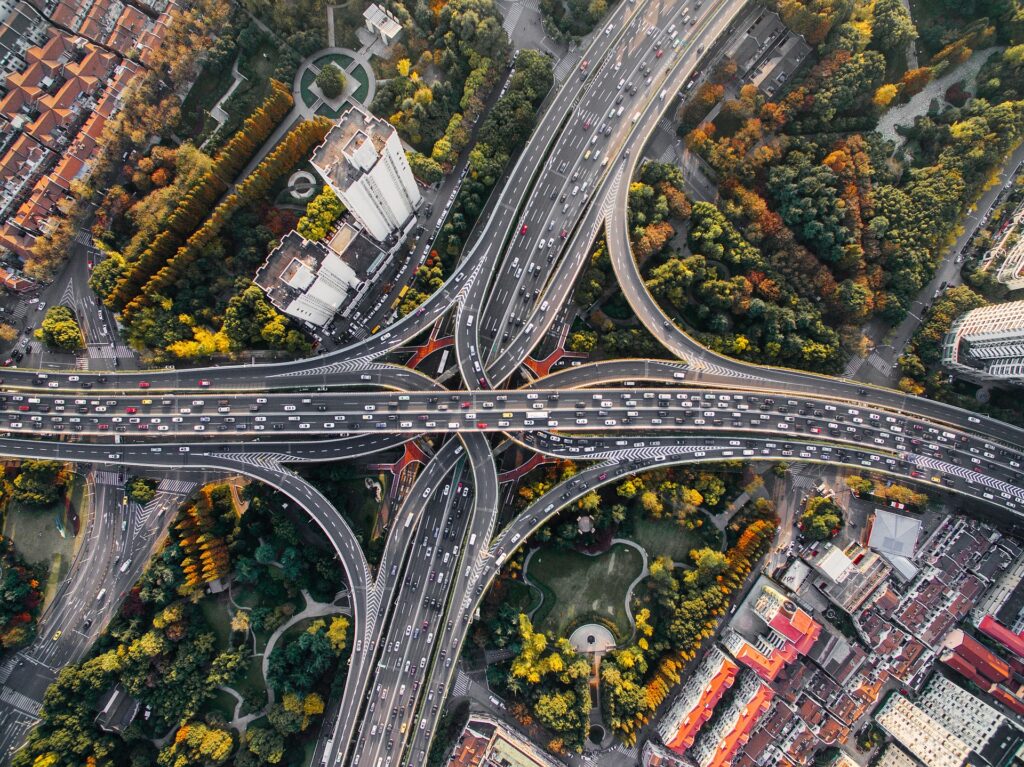
We celebrate President Biden’s signing of the Infrastructure Investment and Jobs Act today. We also urge Congress to swiftly pass the Build Back Better Act that will provide funding for equally necessary steps to respond to climate change at scale, prevent families from having to choose between basic needs like childcare or housing, and remediate environmental hazards in our homes.
Back to School: Healthy School Supplies Guide

Opting for greener back to school supplies not only saves the environment and your health but can save money too. These tips can help you, as a parent, teacher, or student, choose non-toxic and eco-friendly school supplies for a healthier, safer school year.
What are Single-use plastics and why are they bad?
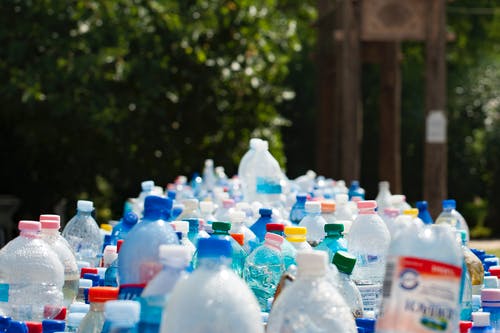
Recycling plastic materials is a good way to reduce the carbon footprint. However, over 90% of plastics are not being recycled and instead being thrown away and dumped into landfills or littered into the environment.
Forever Chemical (PFAS) Causes a Water Crisis
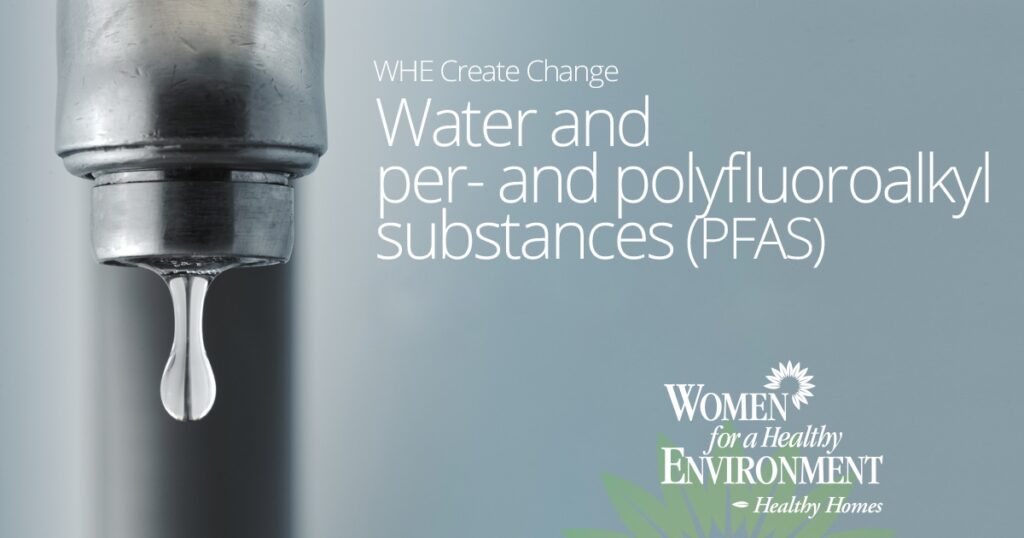
On July 16th, McKeesport, PA residents were advised to not use their tap water for any purpose following a fire in the community. It was believed that more than 500 homes could have water contaminated with PFAS, a toxic class of chemicals that had been released from a chemical-based firefighting foam, known officially as aqueous film-forming foam (AFFF).
Choosing Safer Sunscreens for the Summer

Written by Kelsea Siter, Americorps KEYS member Looking for safe sunscreen options for this summer? You have come to the right place! Sunscreen is one of the most important steps […]
The Link Between Environmental Factors and Alzheimer’s Disease

Although research shows that Alzheimer’s disease is mostly a genetic condition, the other 30% is said to be attributable to lifestyle factors and environmental risk factors.
Eating Locally, Seasonally, and Climate-Friendly with Your Local Farmers’ Market!
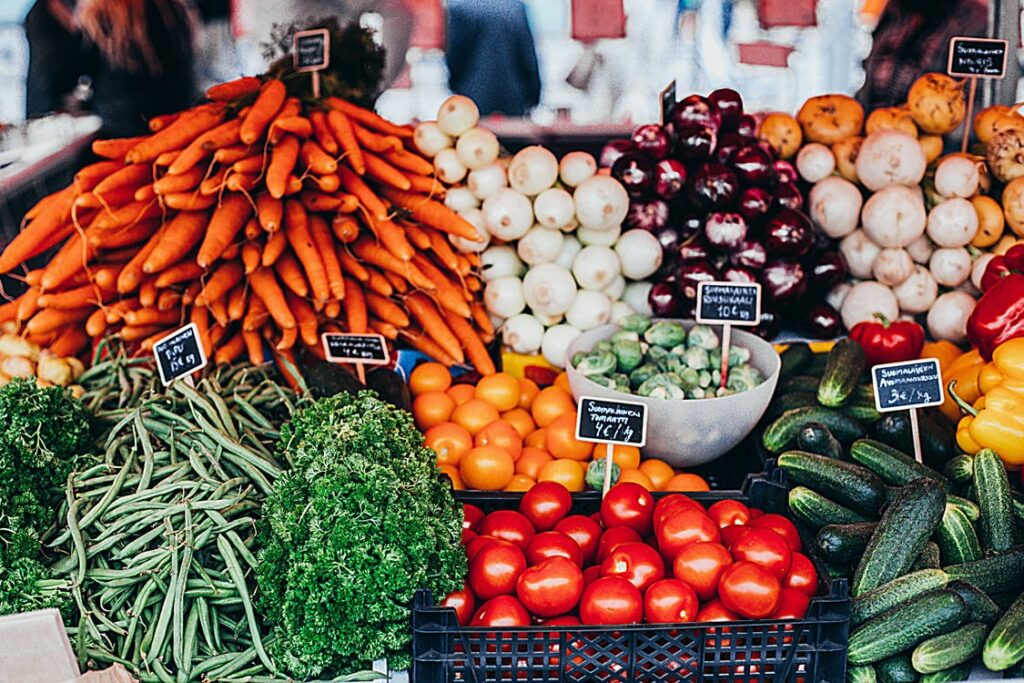
For years, I have enjoyed supporting and traveling to different local farmers markets with my family. Luckily where I grew up, we had access to fresh and local foods from nearby farmers and businesses that were available to the community each weekend. Supporting local farmers markets around your city is the easiest way to feel good about the food you buy. Here are some of the benefits and reasons why you should buy your food from farmers markets:
American Rescue Plan and Investing in K-12 School Infrastructure
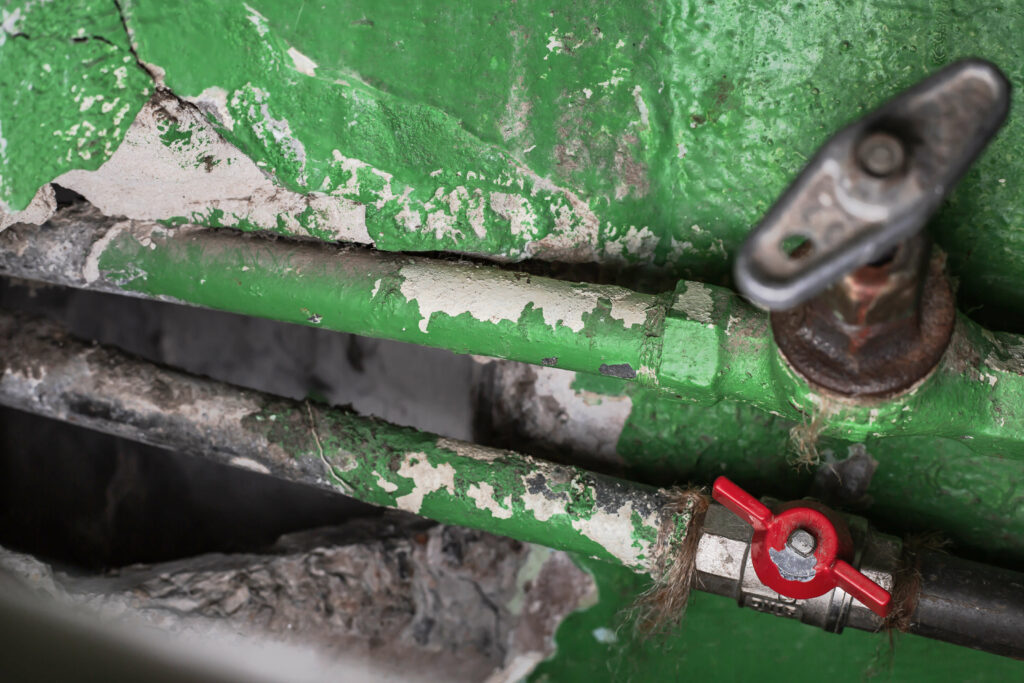
What is the American Rescue Plan and how will it help K-12 school infrastructure in Pennsylvania? The American Rescue Plan is a federal act that was enacted on March 11, […]
Endocrine Disrupting Chemicals
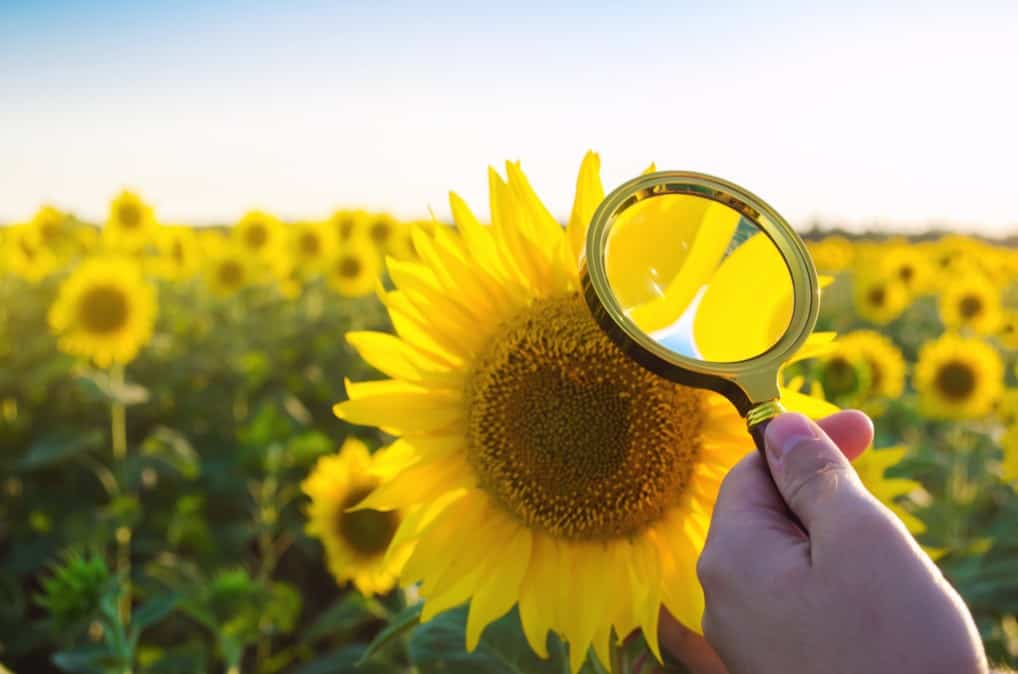
EDCs can be found in many everyday products, including some plastic bottles and containers, liners of metal food cans, detergents, flame retardants, food, toys, cosmetics and pesticides. Because of how they are incorporated into products and packaging, EDCs can take a really long time to break down, which makes them ever present in our natural environment. EDCs have been found in sources of drinking water, and in fact, some of the chemicals used to treat drinking water, in particular disinfectant by-products, are known EDCs.
Something’s in the Water
A System Analysis on Quality and Transparency in Allegheny County Community Water Systems Is the tap water healthy to drink? Where is information about levels of contaminants in drinking water […]
Pesticides: How to Deal With Critters Safely
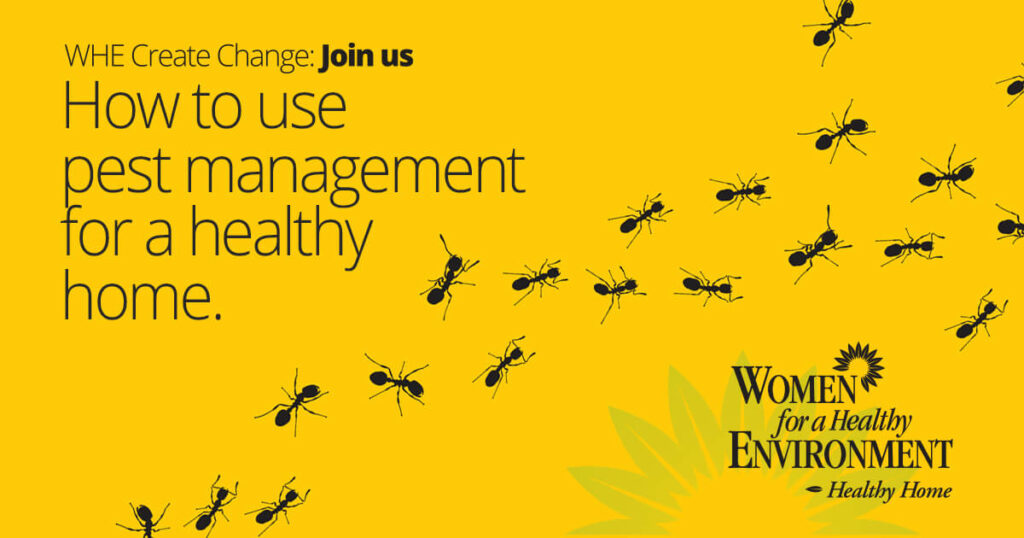
As we approach warmer days, WHE wanted to share some resources on how to safely and effectively deal with pests both in the home and garden. Unfortunately, at some point […]