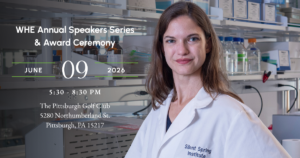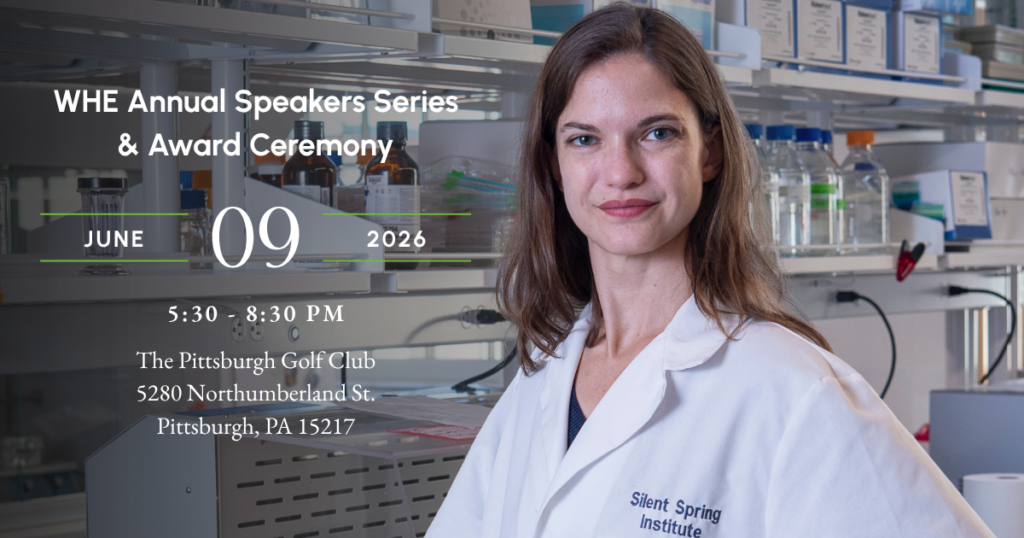
A scientist at the Silent Spring Institute has identified 920 chemicals that may contribute to breast cancer development — and 90 percent of them are found in everyday products like food packaging, pesticides, and household items. That researcher is Dr. Jennifer Kay, and she’s coming to Pittsburgh on June 9th.
Dr. Jennifer Kay’s Research on Breast Cancer and Toxic Chemicals
Jennifer Kay is a research scientist at the Silent Spring Institute whose work focuses on how environmental exposures can contribute to breast cancer risk. Originally from Pittsburgh, she attended the University of Pittsburgh before earning her PhD in Biological Engineering from the Massachusetts Institute of Technology (MIT).
Dr. Kay’s work has helped identify over 900 chemicals that may contribute to cancer development, many of which are present in common items such as food packaging, pesticides, and household products. Her research supports prevention efforts to reduce harmful exposures and create healthier communities for future generations.
Dr. Kay’s work includes using innovative screening methods and artificial intelligence to identify potentially harmful chemicals and studying how toxic exposures can lead to DNA damage and other biological changes linked to cancer development.
“Breast cancer is a hormonal disease, so the fact that so many chemicals can alter estrogen and progesterone is concerning,” stressed Dr. Kay.
She has also contributed to the Mammary Carcinogens Review Database, which identifies chemicals connected to mammary tumors in animals. These tumors are considered the best predictors of breast cancer in humans. In addition, her research has examined occupational exposures affecting women, including studies involving firefighters, healthcare workers, and other professions with increased exposure to harmful chemicals.
During our Speakers Series program, Dr. Kay shared with the audience that breast cancer among younger people in the US is rising in rate of diagnosis, especially in younger females (73.2 cases/100k people). Among people under age 50, breast cancer in women is six times more prevalent than any cancer in men. Rising rates of cancer in younger people cannot be explained by genetics or higher rates of early detection. Lifestyle factors, including environmental exposures, have been researched as major drivers of breast cancer.
She and her team dug through dozens of databases to find potential breast cancer carcinogens, seeking chemicals that caused mammary cancer in rodents and those chemicals that activate estrogen receptors (or induced hormone production). Breast cancer chemical exposure sources included: consumer products, pesticides, diet, pharmaceuticals, drinking water and construction materials. Further, Dr. Kay and her team found 414 breast-cancer relevant chemicals in plastic. Plastics contain toxic ingredients including endocrine disrupting chemicals (those that interrupt or mimic the natural hormones in the human body).
What you can do:
- Limit exposure to plastics – do not heat food in plastic, avoid plastic food packaging and synthetic fibers
- Choose fresh or frozen foods
- Use a water filter
- Use personal care products with fewer ingredients – choose plant-based products
- Use an air filter in your home, run a vent or open windows when cooking, use a HEPA vacuum and don’t smoke or vape
- Advocate for policy change!
The Silent Spring Institute
Founded in 1994, the Silent Spring Institute is a leading scientific research organization dedicated to uncovering the links between chemicals in our everyday environment and women’s health, with a particular focus on breast cancer prevention. Its work follows a process from research to action to impact. Finding new knowledge about cancer-causing chemicals, how people are exposed, and how these exposures affect human health.
The institute approaches its research through community perspectives. Prioritizing partnering with local scientists to answer critical questions and sharing exposure results with study participants has helped translate research into better health for the public. Silent Spring Institute has also played a significant role in strengthening policies that protect consumers from toxic chemicals at both the state and federal levels.
Rachel Carson’s Legacy and Its Pittsburgh Roots
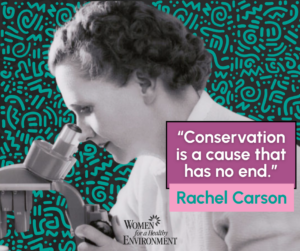
The Silent Spring Institute continues the legacy of Rachel Carson, a pioneering scientist and author whose groundbreaking book Silent Spring transformed the way Americans think about environmental health.
Published in 1962, Silent Spring raised awareness about the dangers of pesticides such as DDT and the long-term effects toxic chemicals can have on people and the environment. Carson helped the public understand that environmental health and human health are deeply connected.
Her work sparked a national movement and contributed to the creation of the United States Environmental Protection Agency and legislation such as the Clean Air Act and Clean Water Act.
Rachel Carson also has ties to the Pittsburgh area. Growing up in nearby Springdale, Pennsylvania, she went on to attend Chatham University. Her legacy is cherished through local landmarks such as the Rachel Carson Bridge and the Rachel Carson Homestead.
Rachel Carson inspired many to continue the importance of prevention and the collective responsibility in creating healthier environments.