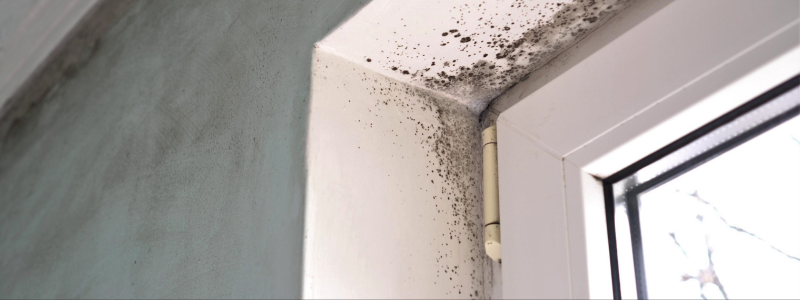
Mold is one of those problems most of us don’t think about until we see a dark patch on a bathroom ceiling or notice a musty smell in the basement. But mold affects the places where we spend most of our time: our homes, and the schools where our children learn every day. The good news is that it’s preventable, and there’s a lot we can do together as a community.
What Is Mold?
Mold is a type of fungus made up of tiny spores that need water to grow. Individual spores are invisible to the naked eye and float through both outdoor and indoor air. They’re everywhere, but they only become a problem indoors when they land on a wet surface and start to grow.
Mold can grow on many different materials, including paper, cardboard, ceiling tiles, wood, paint, wallpaper, insulation, drywall, carpet, fabric, and upholstery. It’s especially common in rooms with lots of moisture, like bathrooms and basements. Leaky roofs, windows, and pipes are common culprits, and so is condensation, which forms when air hits cold surfaces.
How Does Mold Affect Our Health?
All molds have potential health effects. Allergic reactions can look like hay fever: sneezing, a runny nose, red eyes, and skin rashes. Mold can also irritate existing asthma symptoms and allergies. Some molds are especially toxic and have been linked to sinus inflammation, nose bleeds, and respiratory disease.
Two points are worth remembering. First, even dead mold can cause reactions in some people, which is why mold needs to be removed, not just killed. Second, in most cases, fixing the source of the moisture matters more than identifying the specific type of mold. If you take away the water, you take away the problem.
Keeping Mold Out of Your Home
The golden rule is simple: control moisture. Here are some practical steps:
- Lower humidity. An air conditioner or dehumidifier can help.
- Increase ventilation. Open doors and windows when you can, and use fans and bathroom exhaust fans to keep air moving.
- Limit carpet in bathrooms and other damp areas.
- Repair leaks quickly. Find the source, fix it, and dry the area as soon as possible.
- Clean mold early. Scrub it off hard surfaces as soon as it appears, and let the area dry completely.
Cleaning Mold Without Bleach
You don’t need harsh chemicals to tackle small mold problems. These household alternatives are effective:
- White vinegar: Spray it undiluted, wait an hour, then scrub.
- Hydrogen peroxide (3%): Apply it, wait 10 minutes, then scrub.
- Baking soda: Mix 1 teaspoon with 2 cups of water, spray, scrub, and rinse.
Whichever you choose, keep the area well ventilated during and after cleaning, and check back later to make sure the mold hasn’t returned. If it comes back, there’s likely still a moisture source to find.
Mold in Our Schools
Children spend a large part of their day in school buildings, so the same moisture problems that affect homes deserve attention there too. Here’s something many parents and neighbors don’t realize: there is no federal regulation on mold remediation in schools, and no state policy in Pennsylvania. That means the community has an important role to play in encouraging good practices.
The beginning-of-year pattern of school delays and closings is largely a predictable consequence of summer heat and humidity combined with reduced building oversight and occupancy, as well as inadequate moisture control. Keeping a school closed does not eliminate its indoor air quality needs. That is why WHE works with schools to create and follow an indoor air quality (IAQ) management plan all year long.
Moisture and mold can enter a school through any structural weakness, like leaky pipes or windows. Damp areas such as janitor’s closets, shower rooms, pools, and kitchens are especially vulnerable. An IAQ plan prevents mold and moisture.
What You Can Ask Your School to Do
If you’re a parent or school personnel, consider approaching your school about:
- Fixing leaky plumbing and other leaks in the building
- Reducing moisture by increasing ventilation and dehumidifying the air
- Keeping up regular maintenance on heating, ventilation, and air conditioning (HVAC) equipment, including keeping drip pans clean and flowing properly
- Ventilating damp areas like janitor’s closets, showers, pools, and kitchens
- Keeping indoor humidity below 60%, and ideally between 30% and 50%, year round
- Cleaning surfaces and floors frequently and thoroughly to minimize moisture
- Having a custodial crew handle small mold jobs, and hiring trained professionals to remove damaged materials
Working Together
Whether it’s your basement, your child’s classroom, or a neighbor’s apartment, the message is the same: mold thrives on moisture, and prevention starts with fixing leaks, improving airflow, and keeping humidity in check. Small steps taken early prevent bigger, costlier, and more harmful problems later.
Take a look around your home this week. Check under sinks, around windows, and in the basement. If you have kids in school, consider sharing this information with your school’s administration or PTA. A healthier building is something we can all help create.
Want to learn more? The Environmental Protection Agency offers guidance on preventing mold, investigating moisture problems, and cleaning up water damage at epa.gov/mold. Contact WHE at 412.404.2872 or email Pecola.